

Can You Trademark Your Voice? AI Is Changing the Rules
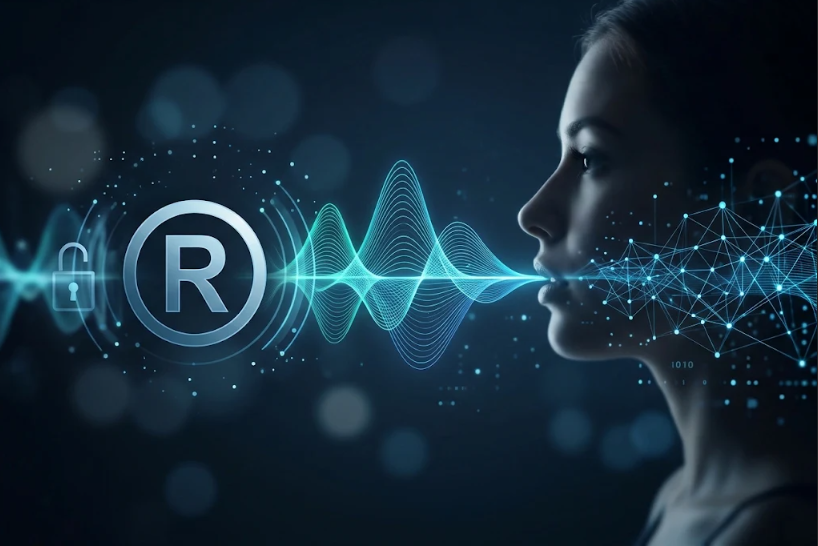
A voice has always been part of a person's identity. But in the age of AI, it can also be replicated, commercialized, and potentially misused.
And the world of intellectual property is beginning to respond.
Three fascinating developments have emerged in recent weeks:
Italy: A Prime Minister trademarks her voice?
Giorgia Meloni has applied to register her voice as an EU trademark. Her initiative raises an intriguing question: Can trademark protection help prevent AI-generated impersonation?
United States: Musicians challenge AI-generated voices.
Artists have filed a lawsuit against AI music platform Suno, alleging unauthorized use of their vocal identities. The dispute raises questions that go well beyond ownership of songs and recordings.
Denmark: A new approach to protecting human identity.
Denmark is advancing legislation that would protect people against unauthorized digital imitations of their voices and appearance. A potentially groundbreaking approach to protecting identity in the AI era.
Why does this matter for innovators and businesses?
AI is changing not only what we can create, but also what may need protection.
For technology developers, new opportunities are emerging in voice synthesis, digital avatars, authentication, and synthetic media.
For brands, recognizable voices and digital identities may become increasingly valuable commercial assets.
And for both, traditional IP strategies may need to evolve.
At FIPG, we help innovators develop and protect their technologies and brands in a rapidly changing world.
The next big IP question might not be what you invented, but what AI can imitate.